The First Bath
31/05/2025
Performance
Within the program “El rostre de medusa a l’escut d’Atenea“, curated by Marta Pol Rigau, with the collaboration of Museu d’Art de Tarragona.
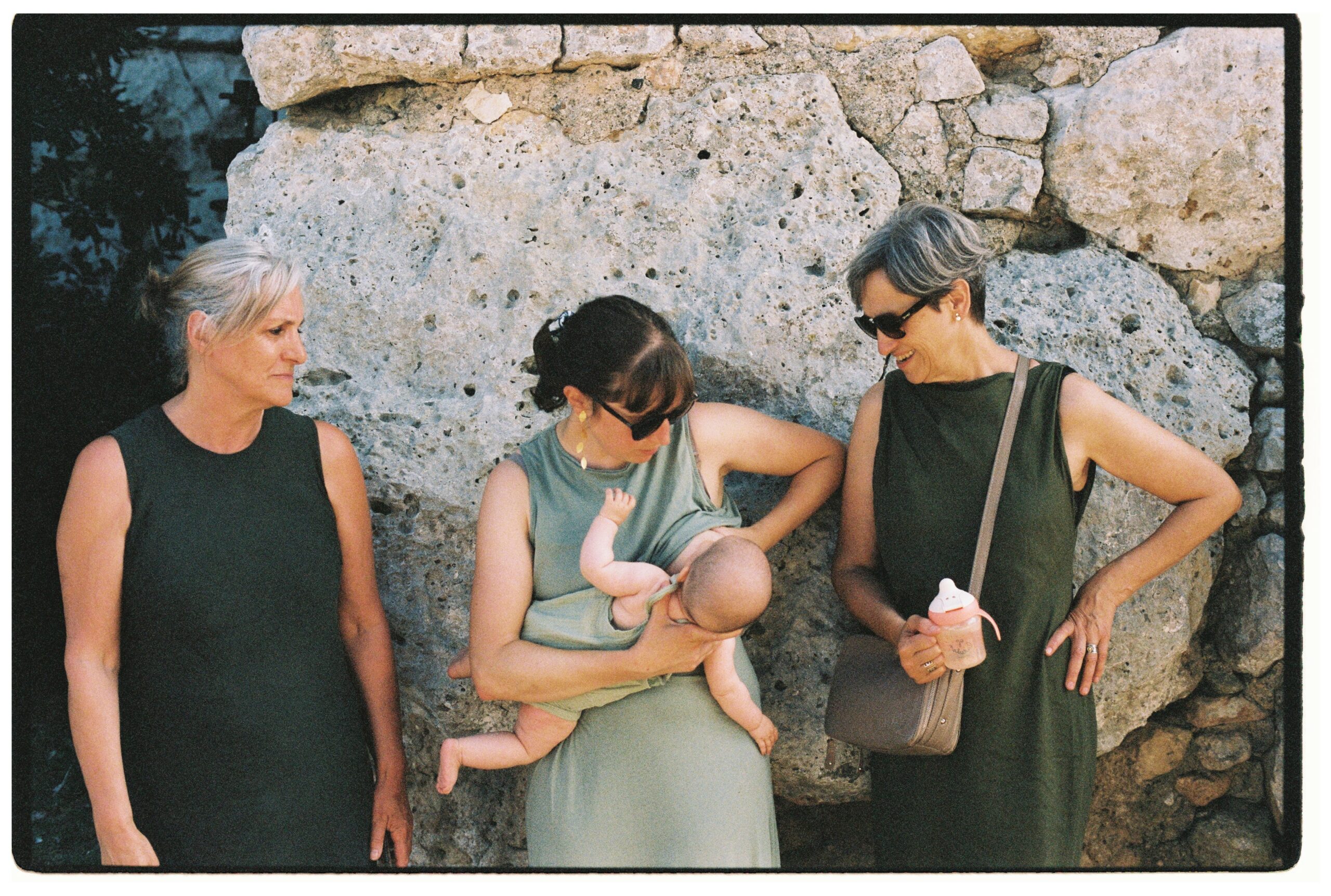
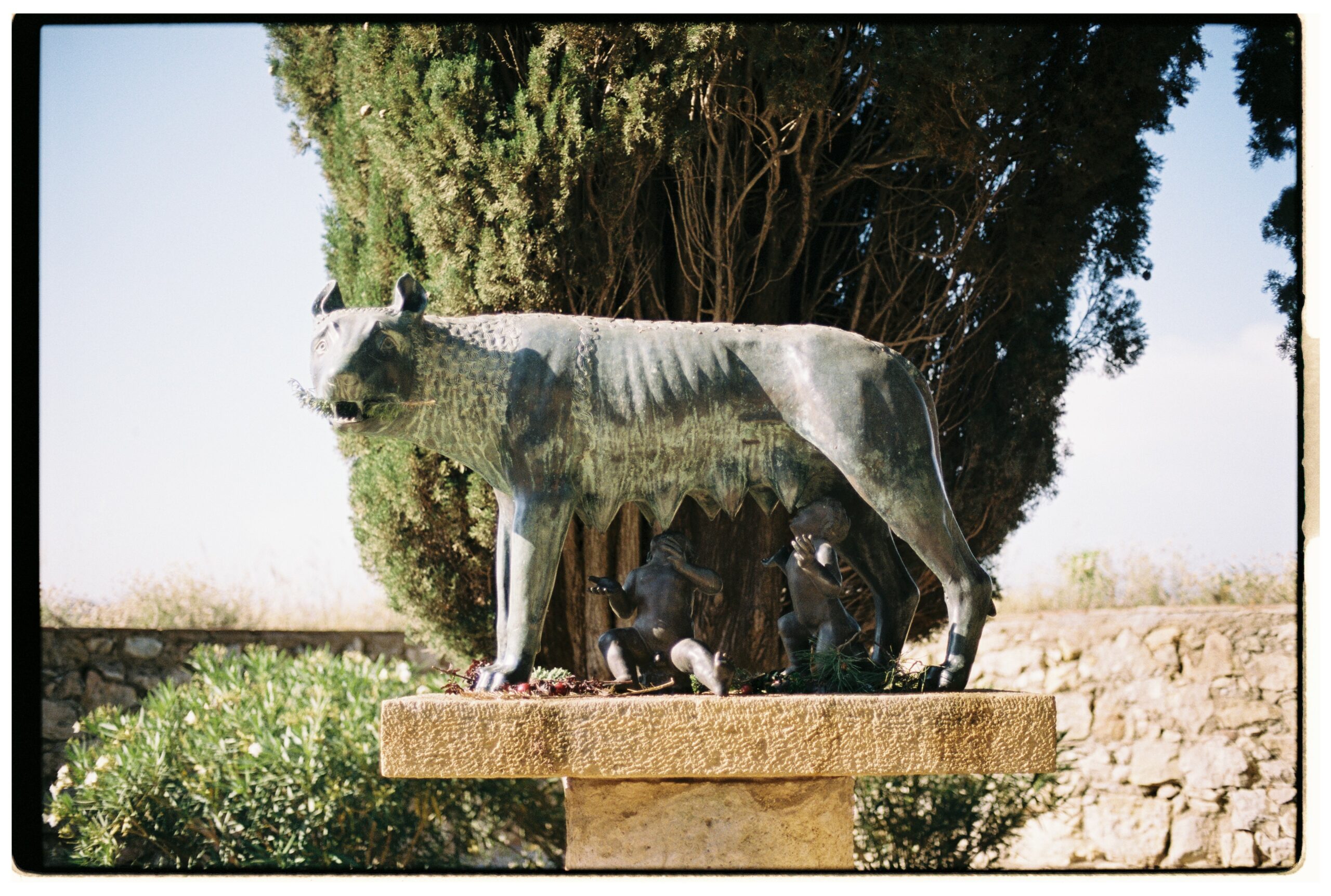
In ancient Rome, births were carried out at home, with the help of a midwife (or matron), who was responsible for assisting the midwife. This whole process allows us to focus on different aspects. First of all, the birth scene, which was a situation in which the feminine presence and power of women was undeniable. Although in ancient Roman culture women had fewer rights than men and had to be more hidden from social life than their male counterparts, gestation and births, that is, the creation of human life, were perhaps one of the only contexts in which men really had little to do (although some could decide to sacrifice the newborn if it was a girl!). Another aspect is that of considering the matron as a powerful figure with supernatural characteristics equivalent to those of the Parcae. To interpret them in this way is to conceive of births as a very important rite of passage in which all the details of life are marked. Another point to note is the presence of water as an element involved in this ritual. Water was considered an element that links the baby to earthly life. Perhaps that is why we leave a puddle when our waters break and labor begins. To talk about all this, “The First Bath” will be a performance in which a woman tells us how her childbirth was following the processes of ancient Roman culture.
-
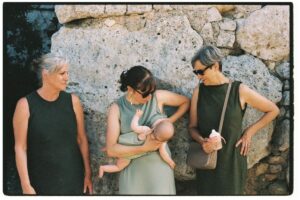
- El primer bany - Anna Dot - a cura de Marta Pol Rigau. Foto: Pol Aregall
-
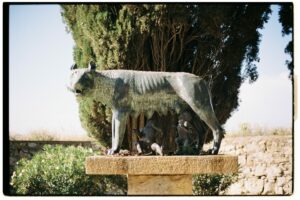
- El primer bany - Anna Dot - a cura de Marta Pol Rigau. Foto: Pol Aregall
My infinite thanks to: Marta Pol Rigau, Laia Estruch, Núria Serra, Joana Aregall, Maria Verdaguer and Olga Perez.